

Are you looking to build a beautiful new brand or realign your existing brand to connect with your ideal customers but not sure where to start?
This step-by-step brand discovery guide + FREE Google Doc & ChatGPT prompt will help you through each step of brand building process, getting you on your way to creating a brand that resonates with your ideal customers.
The Brand Discovery Roadmap
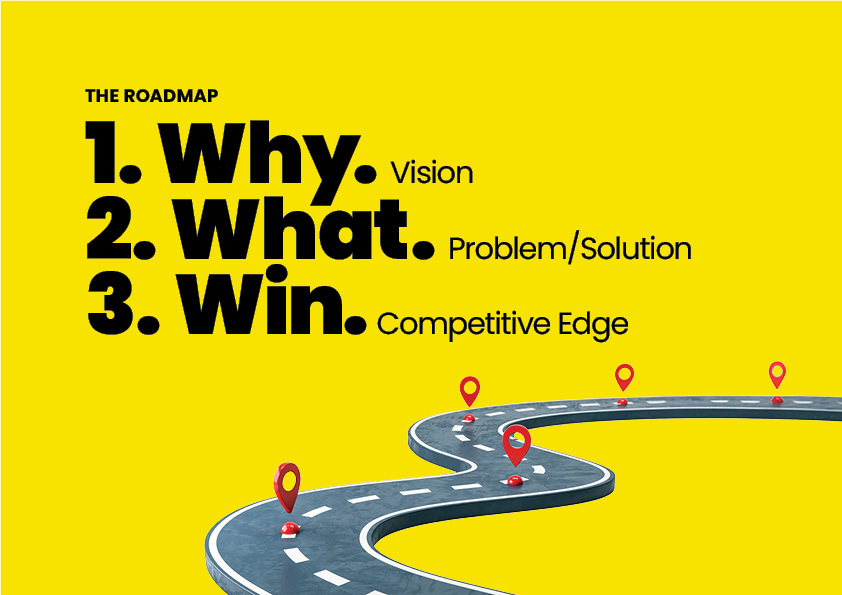
Here’s a roadmap to guide you through the brand discovery process:
- Why: Vision
- What: Problem/Solution
- Win: Competitive Edge
- Who: Customers

1. The Vision: Why
“Why” is the starting point. It’s the most important question, and the hardest to answer. I’m not talking about money here. Making moolah is an obvious motivation for being in business, but it’s a byproduct of the value you provide to people.
So, I ask you:
Why does your brand exist?
Or another way to ask it – What is your vision for a better world or a better life?
Here are some classic examples of brands “Why’s” – Commonly referred to as a Vision:
“To bring inspiration and innovation to every athlete in the world”
– Nike.“To provide access to the world’s information in one click”
– Google.“To help people throughout the world realize their full potential”
– Microsoft.“Spread ideas”
– TED.
When times get tough, motivation is low, the grind is real, being able to come back to your vision, your why, is the thing that can reignite your passion, and ensure you’re making the right decisions to stay on track.
If you don’t define your Why, then…
In the famous words of Alice (from Alice in Wonderland)
“If you don’t know where you’re going, any road will take you there.”
– Alice in Wonderland.
2. The Mission: Problem/Solution
The mission is the thing you do to achieve your vision.
It’s how you solve people’s problems or how you provide value.
So:
What problem do you solve?
Or, what value does your solution provide?
What need(s) are you fulfilling?
Here are a few examples to inspire you:
Example 1:
Beach & Bush Team Building
Problem: Unengaged staff & disjointed teams cost companies money.
Solution: Build energized staff and galvanize teams to work more efficiently through team building events.


Example 2:
Three Peaks Debit Order Software
Problem: Late & non-payments from customers cause stress, financial pressure & business failure.
Solution: Automate monthly payments from your customers with a simple debit order system.

Example 3:
First Class Airport Valet Parking
Problem: No time to waste looking for parking at the airport.
Solution: Check-in faster with official Airport valet parking service.

You can find many more examples of brand mission statements here in our article – 5 quick website design tweaks to boost effectiveness.
3. Win – Find Your Competitive Advantage
Think about it – Business is a competition.
We compete against similar businesses trying to win the same client(s). It’s a matter of survival.
Here’s a great analogy I like to tell:
Have you heard about the 2 friends who were on an African Safari when their car got stranded of track? After several days, no signal, and no food, they made a decision to walk back to the main road. However, on their way, they encountered a large lion. It was an African stand-off. Then, surprisingly, one of the friends started to change his shoes to running shoes. The other friend then asked him – “Why are you changing your shoes? You’ll never be able to outrun the lion.” The response; “I don’t have to outrun the lion, I just have to outrun YOU!”
Ask yourself:
Why should customers choose YOU instead of your competitors?
What are your unique selling points (USPs), or in other words – What differentiates you?
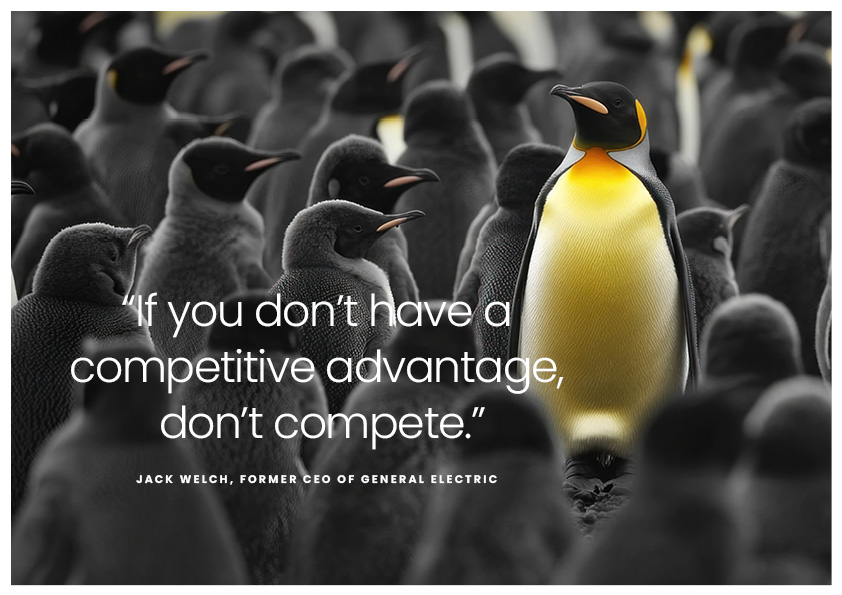
Jack Welch, former CEO of General Electric, said it this way:
“If you don’t have a competitive advantage, don’t compete.”
It’s hard to be unique in this day and age. Your solution is probably already out there. So, write down 1-3 unique advantages you have over competitors, such as:
- Niche Experience
- Different Functionality
- Different Design
- Different Flavor
- Most 5-star Reviews
- As seen on TV
- Awards
- Proven Results
- Price or Pricing Model
- Brand Colour
Examples of how brands use their Unique Selling Points to promote their competitive edge:
Example 1:
Smartphone brands.
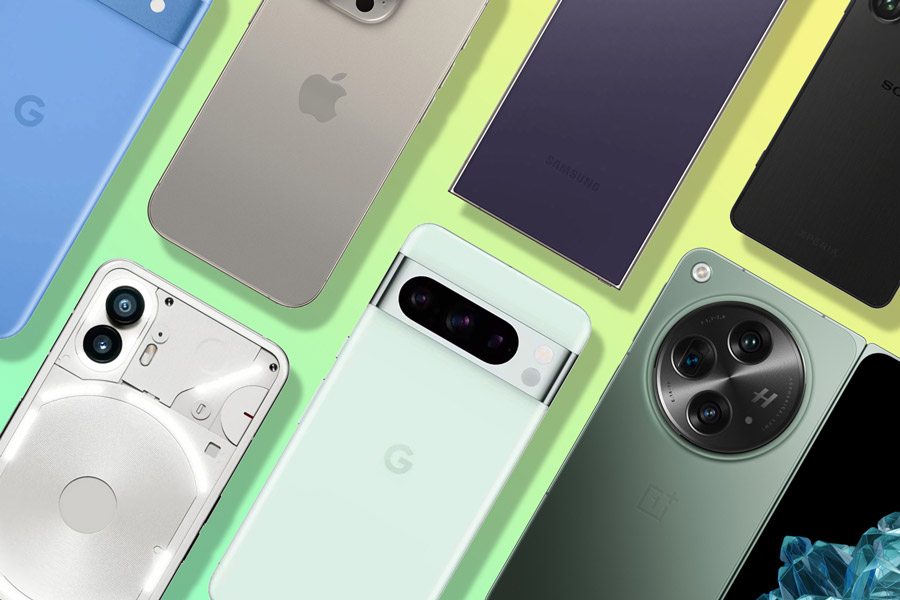
Let’s look at the cell phone industry.
Each year, phone companies launch a new series of phones that are almost identical in spec and functionality. But each year, there are minor differences or improvements that make the phone slightly unique.
So how do they differentiate themselves?
- Better photos & videos
- Slimmer
- Lighter
- Faster
- More secure
- Unique colour
- More storage
- Faster charging
- Longer batter life
- etc
Example 2:
Chocolate Bars:
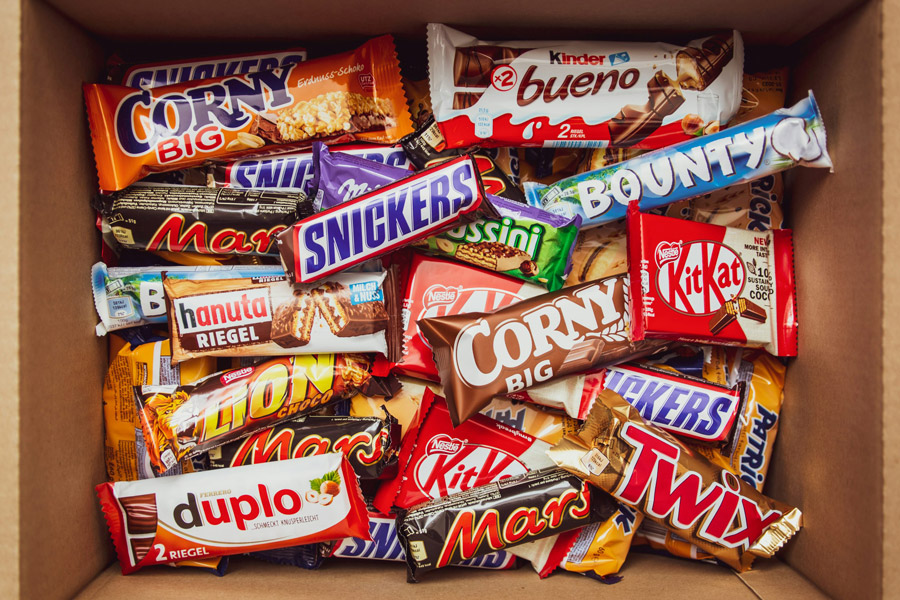
What about the bounty of choices you encounter when deciding which chocolate bar to buy at the shop?
All fighting for our attention, saying “Eat me, no eat me!”
KitKat differentiates itself with it’s thin wafer layers. KitKat also highlights the fact that you can break it into smaller pieces. They hone in on this differential in their marketing with their tagline:
“Have a break, have a Kit Kat”.
Here are some of the ways Chocolate bars differentiate themselves:
- Shape
- Flavour nuances
- Ingredients
- Packaging design
- Logo and colours
- Texture
- User experience (breakable pieces, textures, etc)
Example 3:
Local Accounting Firm
An Accountant is a perfect example in brand differentiation. At the end of the day, there are many accountants, and mostly do the exact same thing. So how can an Accountant or Accounting firm differentiate themselves in a way that helps them win new clients over their competitors?
Here’s an Accounting Firm we worked with to help them understand their Unique Selling Propositions:
Scott Stephenson Business Advisory is an Accounting Firm that is:
- Christian
- Ethical
- Genuinely care
- Quirky
- Experienced
- Lecturers/respected
- Highly trusted
- Not trying to squeeze clients for as much money (home office)
- IFRS Standards
- Members of SAICA
- Facilitator of SAIPA
- Based in Westville (location)
- Owner-run
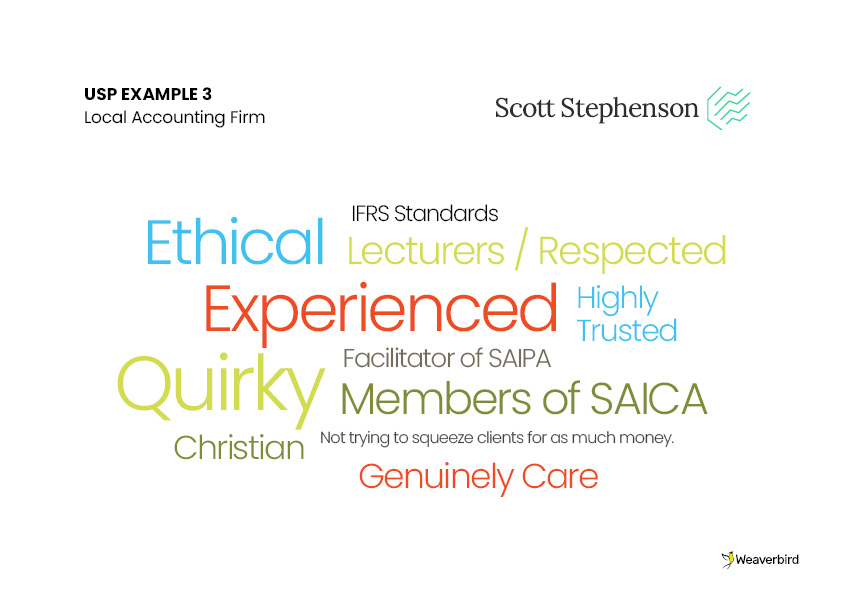
Identifying your unique qualities is a critical step of the Brand Discovery Guide.
Take a moment now to create your own USP Word Cloud here.
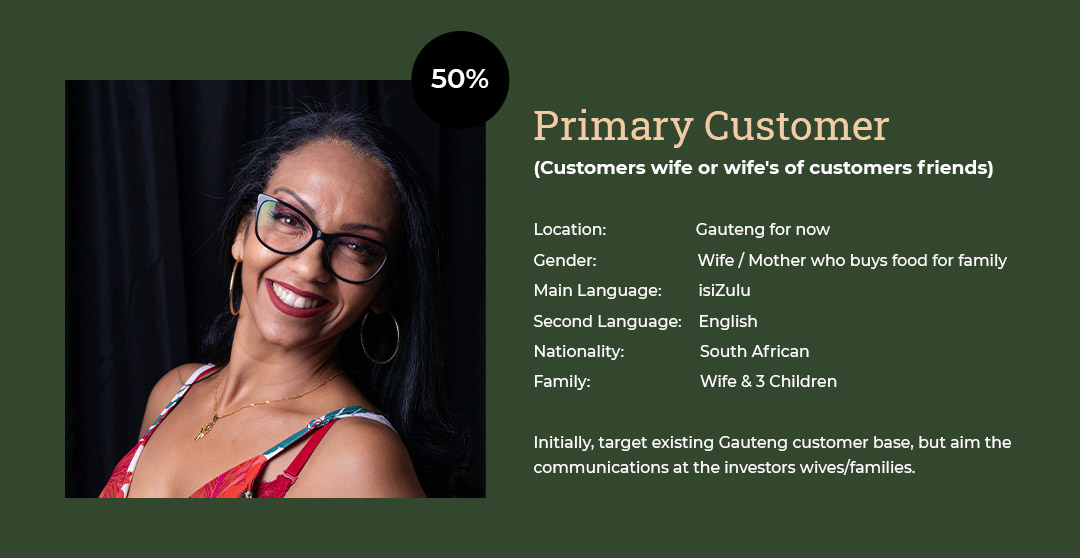
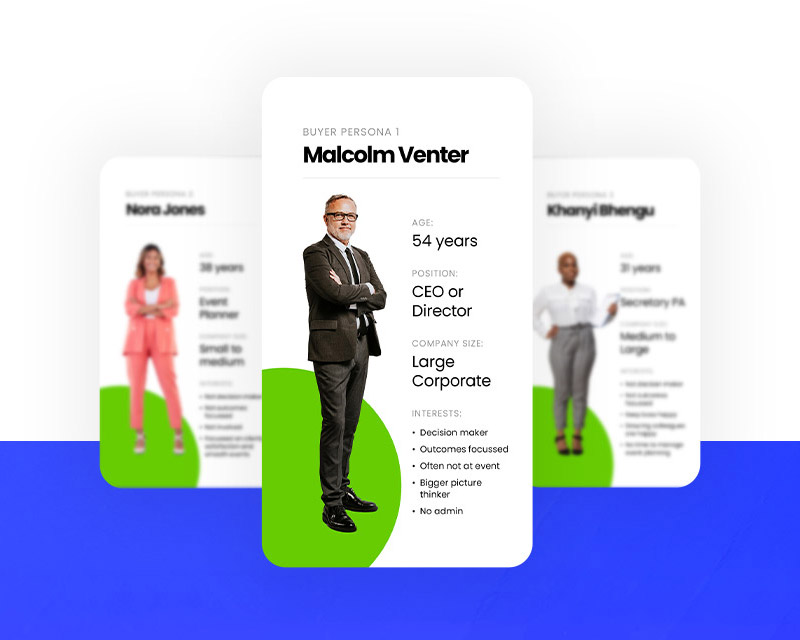
4. Who – Customer Persona
To figure out how to build a brand your customers will connect with, you need to know your customer.
Here’s a quick exercise to help:
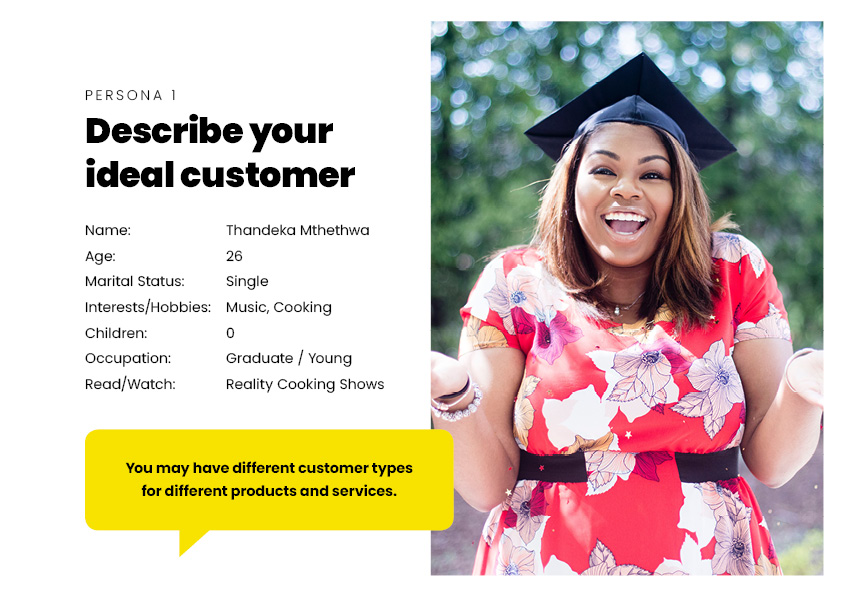
Describe your ideal customer(s).
Name:
Age:
Marital Status:
Interests/Hobbies:
Children:
Occupation:
Read/Watch:
Location:
Income:
You may have different customer types for different products and services – This is referred to as customer segments or customer personas.
Here are a few examples of customer personas (also referred to as Buyer Personas):
Now that you’ve gone through the 4 main pillars of the Brand Discovery Guide, you can strategically and effectively start designing or revamping your brand style.
Alternatively, you can use the following ChatGPT prompt:
Create a brand strategy and branding design suggestions for my company which does _____________
My company is based in _______________
My company services the following area(s): ___________________
My main 3 competitors are:
1. website link
2. website link
3. website link
My unique selling points are:
1.
2.
3.
4.
5.
6.
7.
Here’s a little more important information about my company:
Next Step:
Here’s a checklist of the branding elements you’ll need to work on:
- Name
- Logo
- Main brand colour
- Supporting colour pallette
- Brand fonts
- Tagline
- Brand tone / personality
- Image & video style
- Stationary (Business Cards, Email Signature, Letterhead, Powerpoint Slide Deck, Social Media Covers)
- Illustration Style
- Design or layout style
- Button style

